Safari & Travel
Kenya Park Fees and Conservancy Fees Explained (2025/6)
What Kenya's national parks, reserves and conservancies charge, who manages them, and why a well-run safari is never cheap.
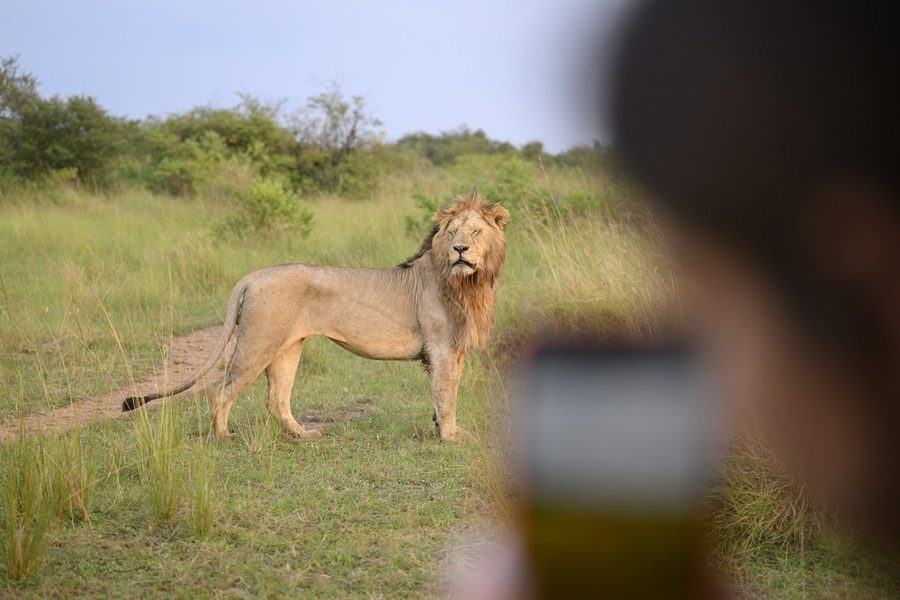
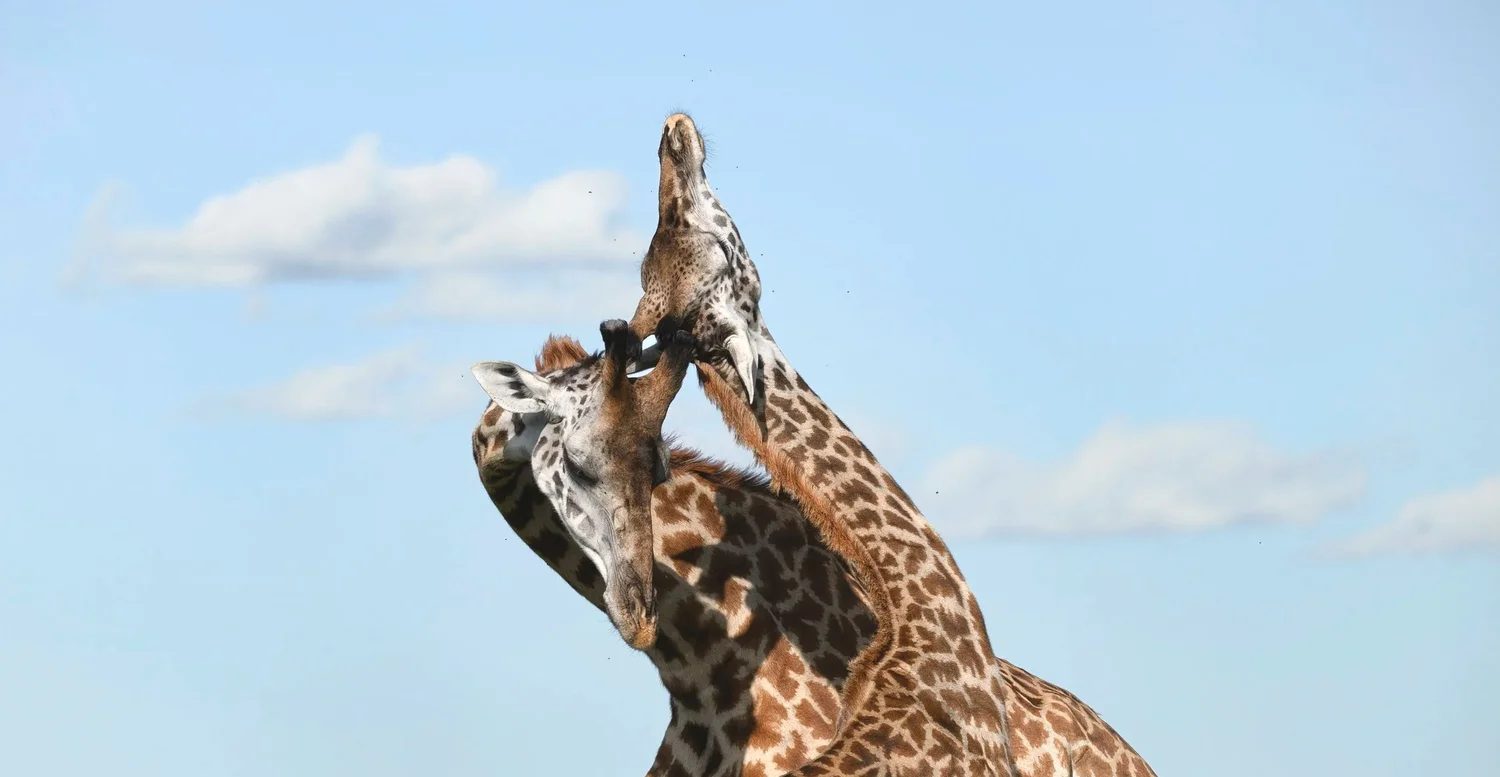
If you’re planning a safari in Kenya, one of the first questions that usually comes up is park fees — how much they are, why they vary so widely, and what you’re actually paying for.
Kenya’s protected areas are managed under different systems: national parks, county-managed reserves, and private or community conservancies. Each comes with its own fee structure, and understanding the difference helps you budget realistically and travel more responsibly.
This guide breaks down:
- The most popular parks and conservancies in Kenya
- Who manages them
- Current entry or conservation fees
- And why Kenya is not — and shouldn’t be — a “cheap” safari destination
The fees referenced below are based on the Wildlife Conservation and Management (Access and Conservation) (Fees) Regulations (2025), KWS and verified 2025–26 entry fee information and are subject to change.
National Parks, Reserves & Conservancies: What’s the Difference?
Before diving into numbers, it’s worth understanding the different systems:
- National Parks → Managed by Kenya Wildlife Service (KWS), with standardised entry fees
- National Reserves → Managed by county governments (e.g., Narok County for Masai Mara, Samburu County for Samburu)
- Private & Community Conservancies → Independently managed, often in partnership with local communities
This is why some iconic safari areas don’t appear in the official KWS fee documents — because they’re not governed by KWS.
Kenya Park & Conservancy Fees at a Glance (2025–26)
Below are indicative entry fees for international (non-resident) visitors, based on the most recent officially published figures and widely cited tourism industry sources.
Masai Mara Reserve & Mara Conservancies
| Area | Management | Type | Indicative Fee (Non-Resident) | Notes |
|---|---|---|---|---|
| Masai Mara National Reserve | Narok County Government | National Reserve | USD 100 (low season) USD 200 (high season) per day | Seasonal pricing; conservancy fees often additional |
| Mara North Conservancy | Community / Private | Conservancy | USD 100–120 per night | Low vehicle density, night drives |
| Mara Naboisho Conservancy | Community | Conservancy | USD 100–120 per night | Strict vehicle limits, high wildlife density |
| Olare Motorogi Conservancy | Community | Conservancy | USD 100–120 per night | Very exclusive, limited vehicles |
| Ol Kinyei Conservancy | Community | Conservancy | USD 70–100 per night | Walking safaris, quieter experience |
| Enonkishu Conservancy | Community | Conservancy | USD 70–100 per night | Regenerative grazing and conservation |
What “Low Season” and “High Season” Mean in the Masai Mara
- Low season generally runs from January to June. Wildlife viewing is still excellent, with fewer visitors and softer pricing.
- High season typically runs from July to October, aligning with the Great Migration, and sometimes again from late December. This period attracts the highest visitor numbers and commands premium rates.
Season dates can vary slightly year to year, and it’s always worth confirming exact rates closer to travel.
KWS National Parks & County Reserves
| Park / Reserve | Management | Category | Non-Resident Fee (Adult) | Last Update |
|---|---|---|---|---|
| Amboseli National Park | Kenya Wildlife Service | Premium National Park | USD 90 per day | Revised 2025 |
| Lake Nakuru National Park | Kenya Wildlife Service | Premium National Park | USD 90 per day | 2025 |
| Tsavo East National Park | Kenya Wildlife Service | Wilderness National Park | USD 80 per day | 2025 |
| Tsavo West National Park | Kenya Wildlife Service | Wilderness National Park | USD 80 per day | 2025 |
| Samburu National Reserve | Samburu County Government | National Reserve | USD 70–80 per day | County-set |
| Nairobi National Park | Kenya Wildlife Service | Urban National Park | USD 80 per day | 2025 |
| Mount Kenya National Park | Kenya Wildlife Service | Mountain Park | USD 70 per day | 2025 |
| Hell’s Gate National Park | Kenya Wildlife Service | Scenic Park | USD 50 per day | 2025 |
Laikipia: A Network of Conservancies
Laikipia is not a single park or reserve. It is a vast, largely unfenced landscape made up of private and community conservancies, working together across central Kenya.
This model allows wildlife to move freely while supporting:
- Community land leases
- Rhino conservation (Laikipia is one of Kenya’s strongest rhino strongholds)
- Anti-poaching operations
- Very low vehicle density
| Conservancy | Management | Type | Indicative Fee (Non-Resident) | Notes |
|---|---|---|---|---|
| Ol Pejeta Conservancy | Private | Conservancy | USD 110 per day | Confirmed official Ol Pejeta entry fee |
| Solio Ranch Conservancy | Private | Conservancy | USD 106 per day | Latest published Solio Conservancy fee |
| Lewa Wildlife Conservancy | Private / Community | Conservancy | USD 90–120 per day* | Indicative range |
| Borana Conservancy | Private | Conservancy | USD 90–120 per day* | Indicative range |
| Loisaba Conservancy | Community / Private | Conservancy | USD 80–110 per day* | Indicative range |
| Segera Conservancy | Private | Conservancy | USD 80–110 per day* | Indicative range |
| Mugie Conservancy | Community | Conservancy | USD 70–100 per day* | Indicative range |
A Note on Children’s Fees
Children’s entry fees are almost always lower than adult rates, but the exact discount depends on the park or conservancy.
- Kenya Wildlife Service (KWS) parks typically charge around 50% of the adult non-resident rate for children.
- Private and community conservancies also offer reduced child rates, often 50% of the adult fee, though some set different brackets by age.
- Children under 5 years are often free in many parks and conservancies, but this varies.
Because age thresholds and discounts differ, it’s always best to confirm child rates directly with the park, conservancy, or lodge when planning a family safari.
Kenya is not a cheap safari destination. And it shouldn’t be.
A well-run safari reflects real costs on the ground — from conservation and community partnerships to infrastructure, guiding standards, and environmental protection. When those elements are done properly, the price inevitably reflects it.
When looking at safari prices, it’s worth keeping a few things in mind:
- Conservation has a cost: Rangers, anti-poaching units, habitat protection, and wildlife monitoring don’t happen for free. Park and conservancy fees are a direct contribution to keeping these ecosystems alive.
- Eco-friendliness matters: Responsible tourism means limited vehicle numbers, controlled access, sustainable lodge operations, and lower impact on the land. These measures protect wildlife — but they also make safaris more expensive to run.
- Communities must benefit: In conservancy areas especially, fees help pay land leases to local communities. When communities benefit, wildlife has space to survive. When they don’t, pressure on land increases.
- Low-cost tourism comes with trade-offs: Very cheap safari packages should raise questions. Corners are usually being cut somewhere — whether that’s guide experience, accommodation and vehicle standards, conservation contributions, staff wages, or environmental impact. Over time, low-cost tourism can be damaging to both wildlife and communities.
- Value matters more than price: A good safari isn’t about ticking boxes or rushing sightings. It’s about time, space, respect for the environment, and meaningful encounters — all of which require proper planning and realistic budgets.
If this feels familiar, it ties closely to what I explored in my earlier blog, “How to Plan the Safari You Deserve: 6 Pro Tips for a Life-Changing Wildlife Journey” — where the focus is on choosing experiences that align with your expectations, values, and the kind of impact you want your travel to have.
Understanding park and conservancy fees isn’t just about budgeting. It’s about deciding what kind of safari you want to support, and what kind of legacy you’re comfortable leaving behind.
Disclaimer. All fees listed are indicative and subject to change. County governments, conservancies, and Kenya Wildlife Service may revise rates, apply seasonal pricing, or introduce new regulations. Always confirm current fees closer to travel.
Your Wild Journey Awaits
A safari isn't just about what you see — it's about how it shifts something inside you. The wild teaches patience, presence, and wonder, and those lessons stay long after the journey ends. Whether you're dreaming of your first safari or planning your next adventure, we’d love to help you create an experience that resonates deeply with what matters to you.
→ Join My Safari Insider Community: If you're into wildlife photos, photography tips, safari stories and featured small-group, photographer-led safaris, I send all that in my weekly newsletter.
→ Explore Custom Safari Experiences: Ready to start planning? Whether it’s photography focused, corporate retreats or simply to create your own adventure, get in touch to discover how we can craft a personalised journey that aligns with your vision, values, and the stories you want to create.
About the author
Amish Chhagan is a Zambia-raised wildlife and conservation photographer and safari host whose work has been published by National Geographic and WWF. Through Chags Photography he sells signed limited-edition fine art prints and hosts private, photographer-led safaris. Read my story