
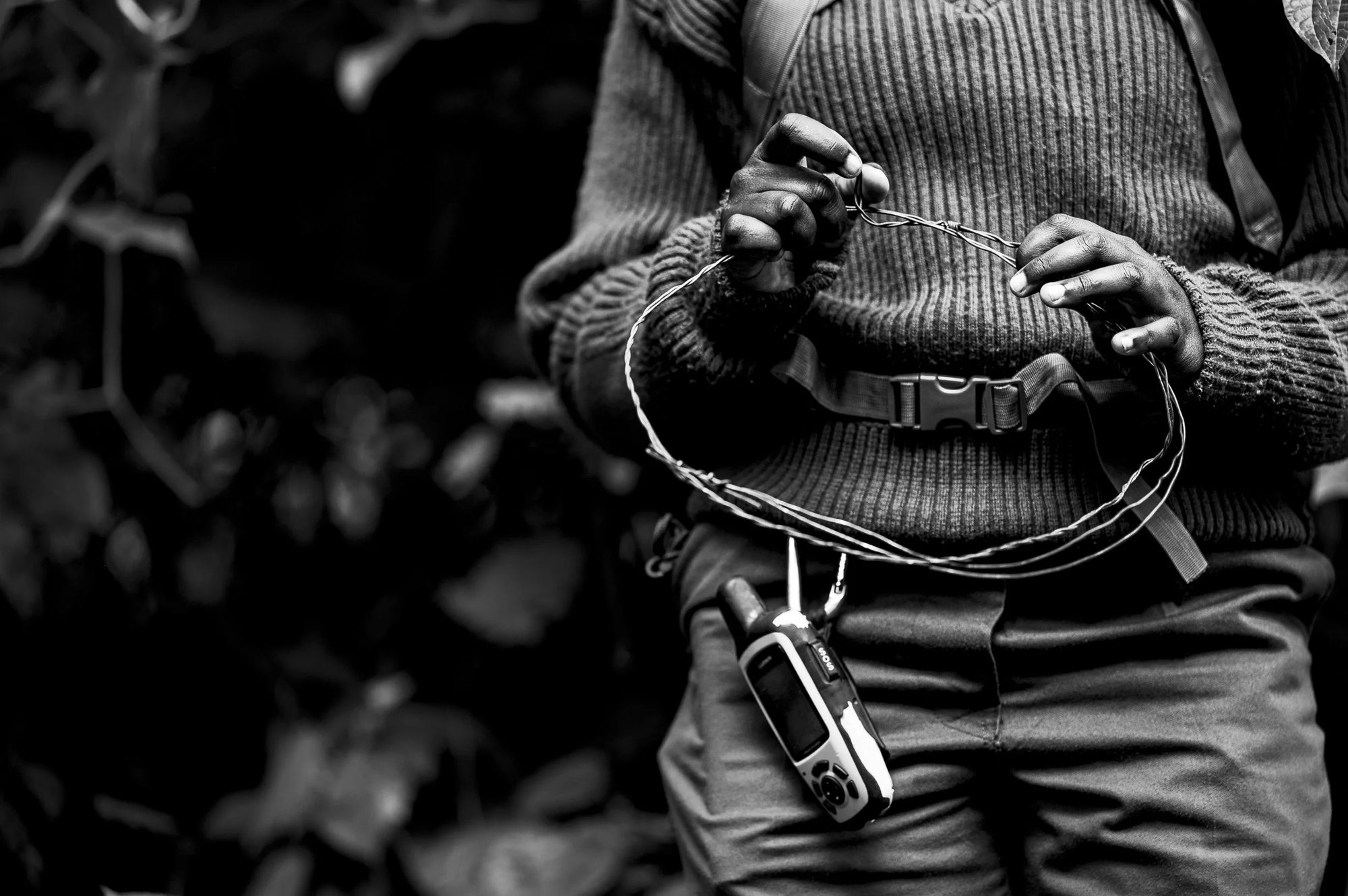
Conversing conservation
While there is still time
Over the years, between cities and savannahs, I've watched human activity wear wild places down. These ecosystems now depend on what we do. Populations are falling, habitats are shrinking, and putting them back needs real support.
I believe a photograph can do what a report or a donation request often can't: make people feel something. That connection is what lasts, and it is what moves people to act. So my aims are simple: help people understand conservation and the projects on the ground, back those doing impactful work, and inspire others to do the same.
Wildlife photography led me to conservation, and it gave my work a purpose. I feel a responsibility to show the beauty of animals that were once abundant, while there is still time.
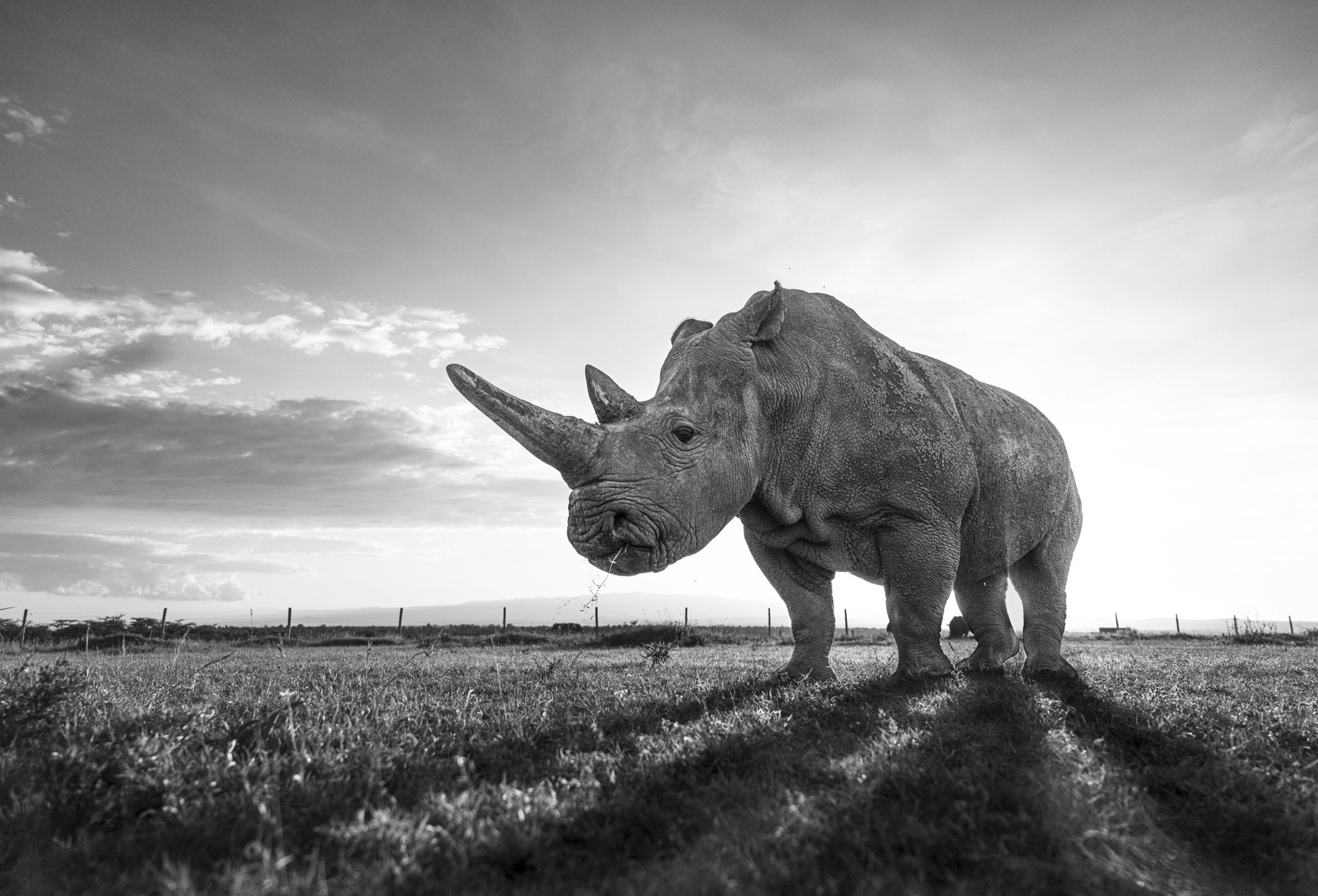
One of the last two northern white rhinos on Earth, Najin and Fatu, at Ol Pejeta Conservancy in Kenya. Their story, from Ol Pejeta
What is left
of all the mammals on Earth, by weight, are wild.
By weight, humans make up just over a third of all mammals on Earth, and the animals we raise for food about 60%. Every wild mammal, from mice to whales, makes up the rest.
“We have replaced the wild with the tame.”
Sir David Attenborough, A Life on Our Planet
How I help
Photography as a tool for conservation
Conservation depends on people caring, and people care about what they can see. A photograph puts a face to a statistic, carries a story further than a report, and gives the people doing the work images to win support with. It has done so before.
Yellowstone · 1871
William Henry Jackson's photographs of Yellowstone played their part when the US Congress made it the world's first national park, the following year.
Gabon · 2002
Gabon's forests are part of the Congo Basin, the world's second-largest rainforest. Michael Nichols' photographs of a journey across them, for National Geographic, played their part when the country created 13 national parks.
Virunga · 2007
Brent Stirton's photograph of Senkwekwe, a silverback gorilla killed in Virunga National Park, being carried out of the forest helped draw the world's attention to the park and its rangers.
In the field
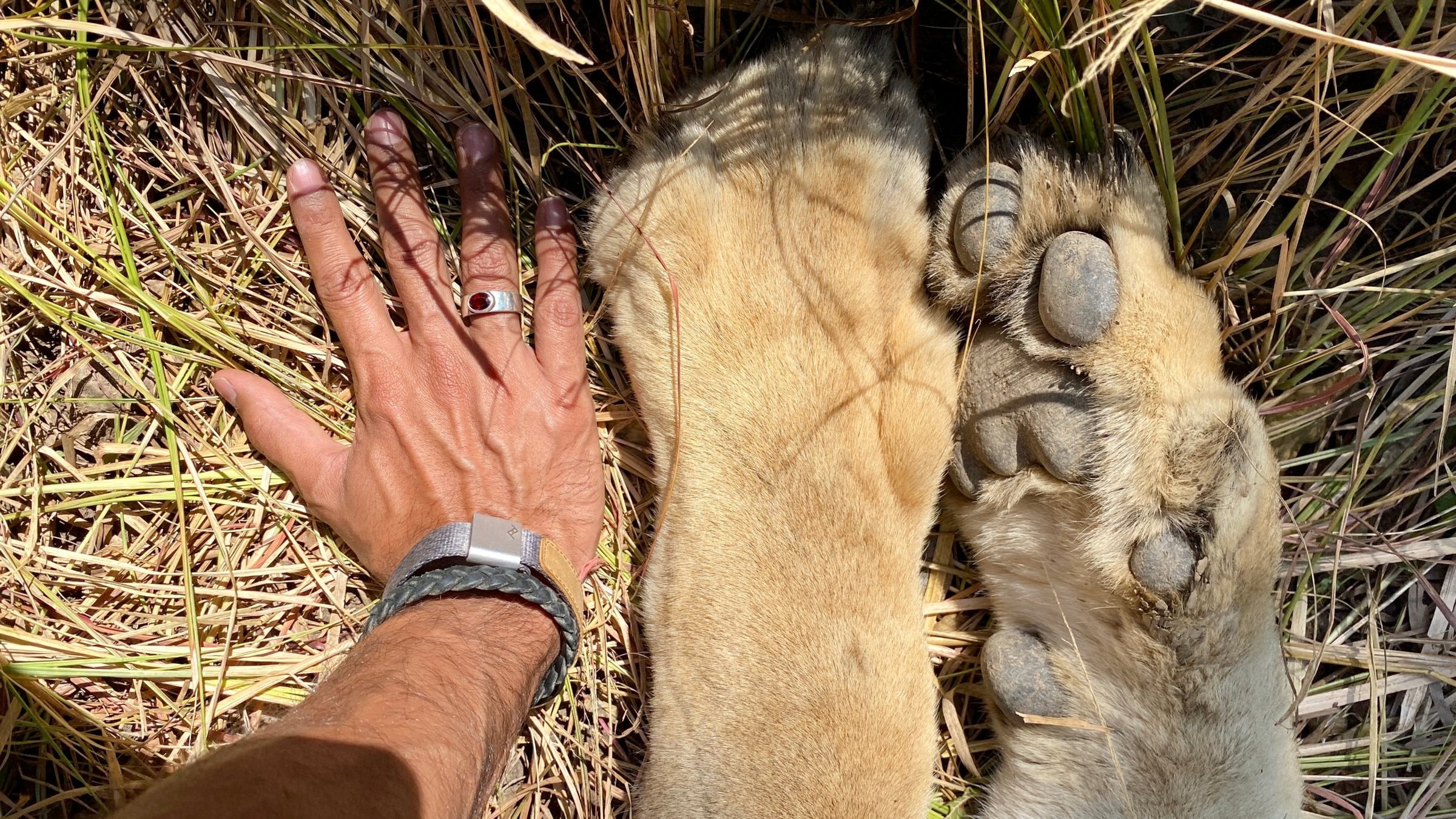
Time alongside the people doing the work, from rangers to vets and researchers, so their story is told from where it happens.
Documenting the work and projects
Photographing conservation work and projects on the ground, so the people behind them have images that do them justice and help win new support.
Travelling lightly
Safaris built to tread lightly: small private groups, camps and partners who put conservation and local communities first, and no shortcuts. Where possible, backing the projects we visit.
“There is no question that photography has played a major role in the environmental movement.”
Partners
Select conservation partners
Kenya
Mara Elephant Project
Protects elephants and their habitat across the Greater Mara, with ranger teams working on anti-poaching, snare removal and human-elephant conflict. I photographed its rangers for Conservation Heroes.
Visit
Kenya
Ol Pejeta Conservancy
Home to the last two northern white rhinos on Earth, and one of East Africa's most important rhino sanctuaries.
Visit
Zambia
Conservation South Luangwa
Works alongside Zambia's Department of National Parks and Wildlife to protect the Luangwa Valley, from anti-poaching patrols to snare removal and human-wildlife conflict.
Visit
Zambia
Conservation Lower Zambezi
Supports wildlife protection, environmental education and community work in the Lower Zambezi.
Visit
Zambia
Zambian Carnivore Programme
Researches and protects Zambia's large carnivores, among them African wild dogs, lions and cheetahs.
Visit
Indonesia · Borneo
Yayasan Orangutan Hijau Kalimantan
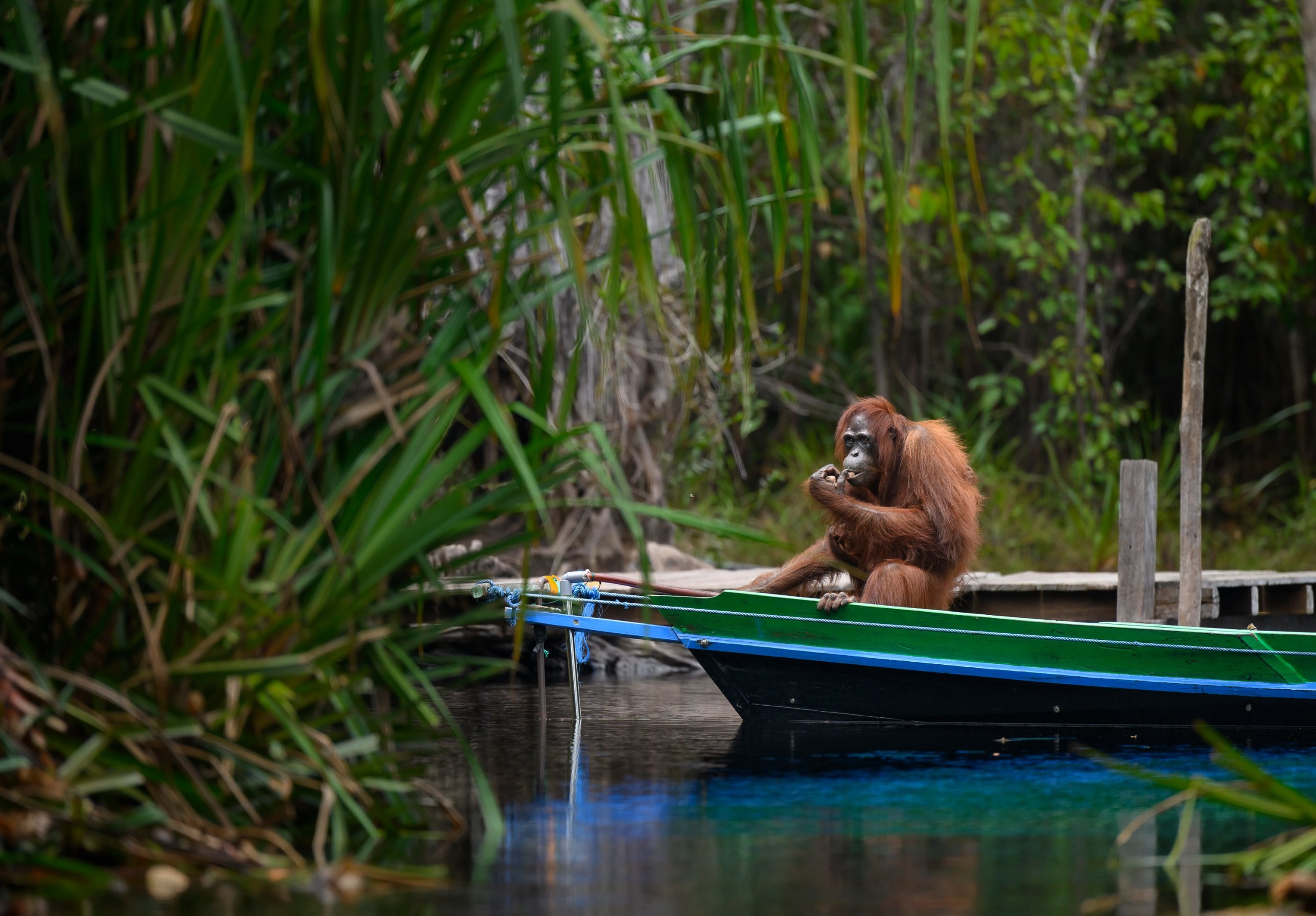
Works for Borneo's forests, orangutans and the communities around them from Pangkalan Bun in Central Kalimantan, including fighting the wildfires that burn through the region's forests.
Visit
From the field
Conservation stories
Some of these I wrote as well as photographed, for WWF's World Wildlife magazine, Earth.Org, PetaPixel and Nkwazi.
WWF World Wildlife magazine · 2026
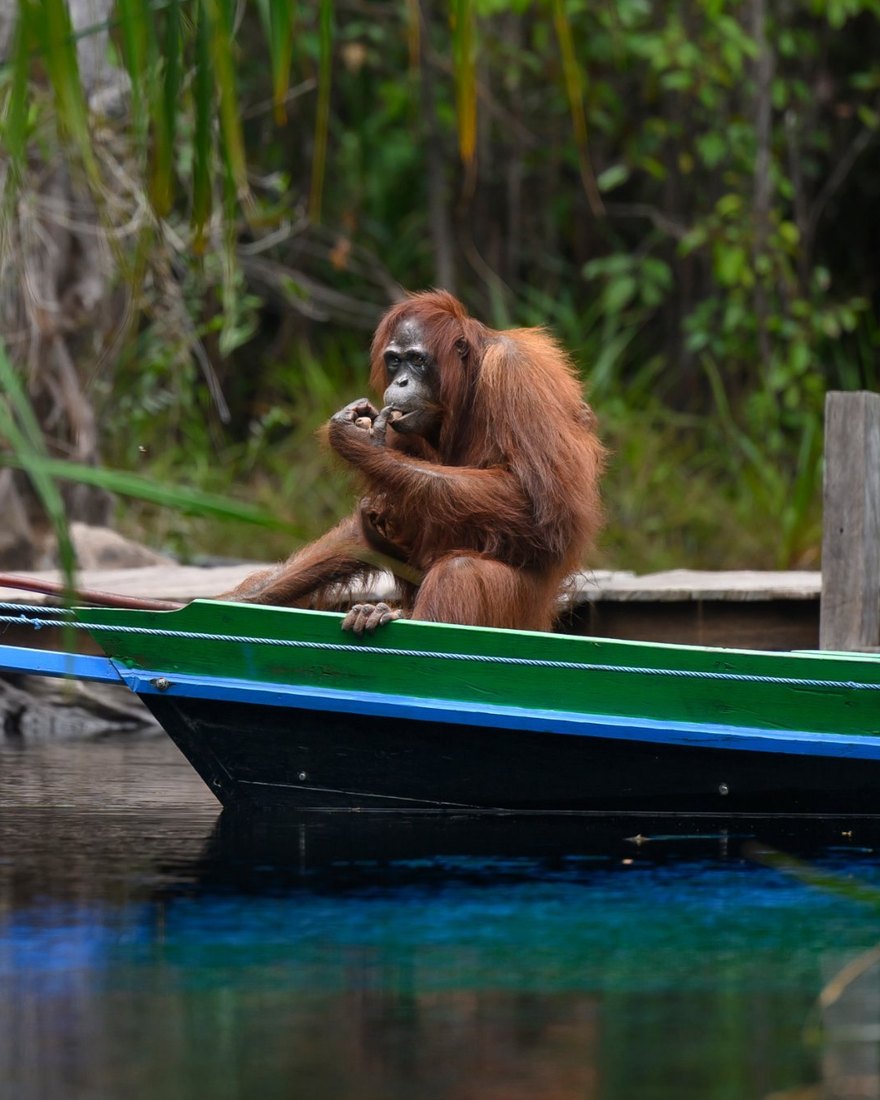
What an encounter with a critically endangered orangutan reveals about coexistence
PetaPixel and Earth.Org · 2024
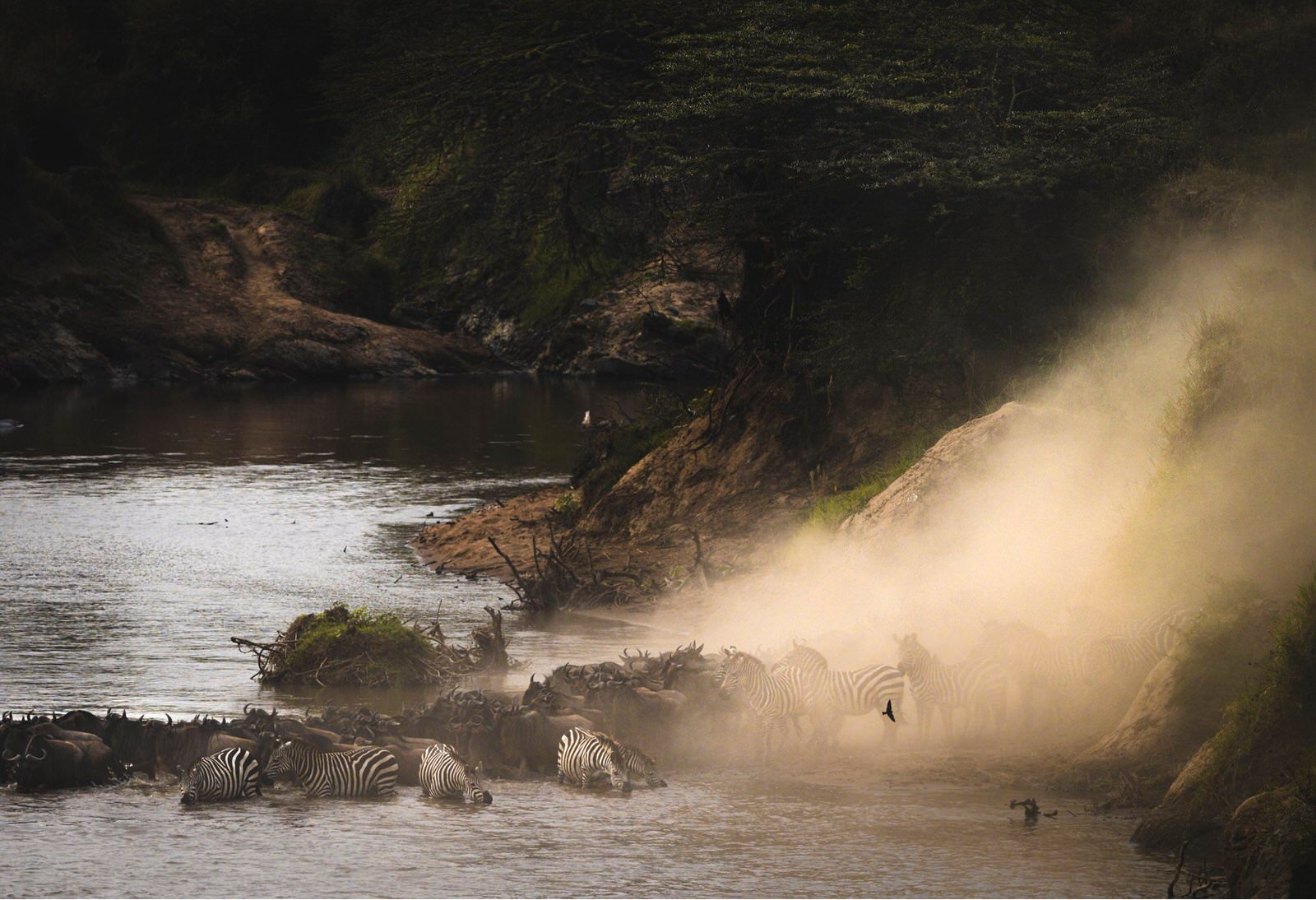
Collateral Damage: on Namibia's plans to cull wildlife for drought relief
Earth.Org · 2024
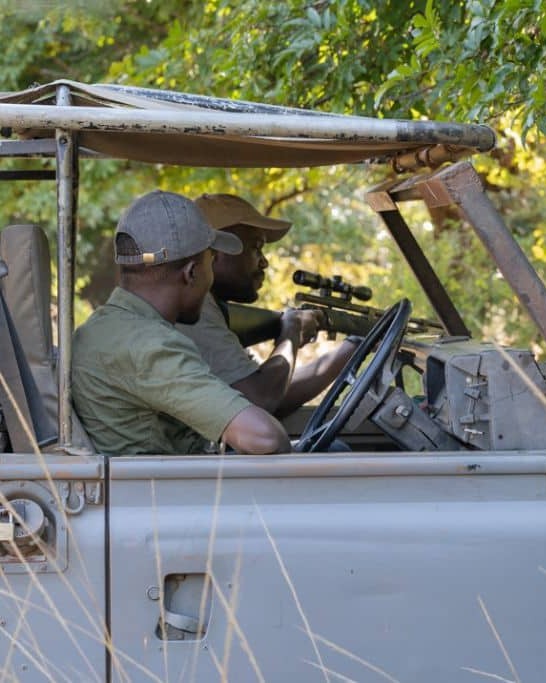
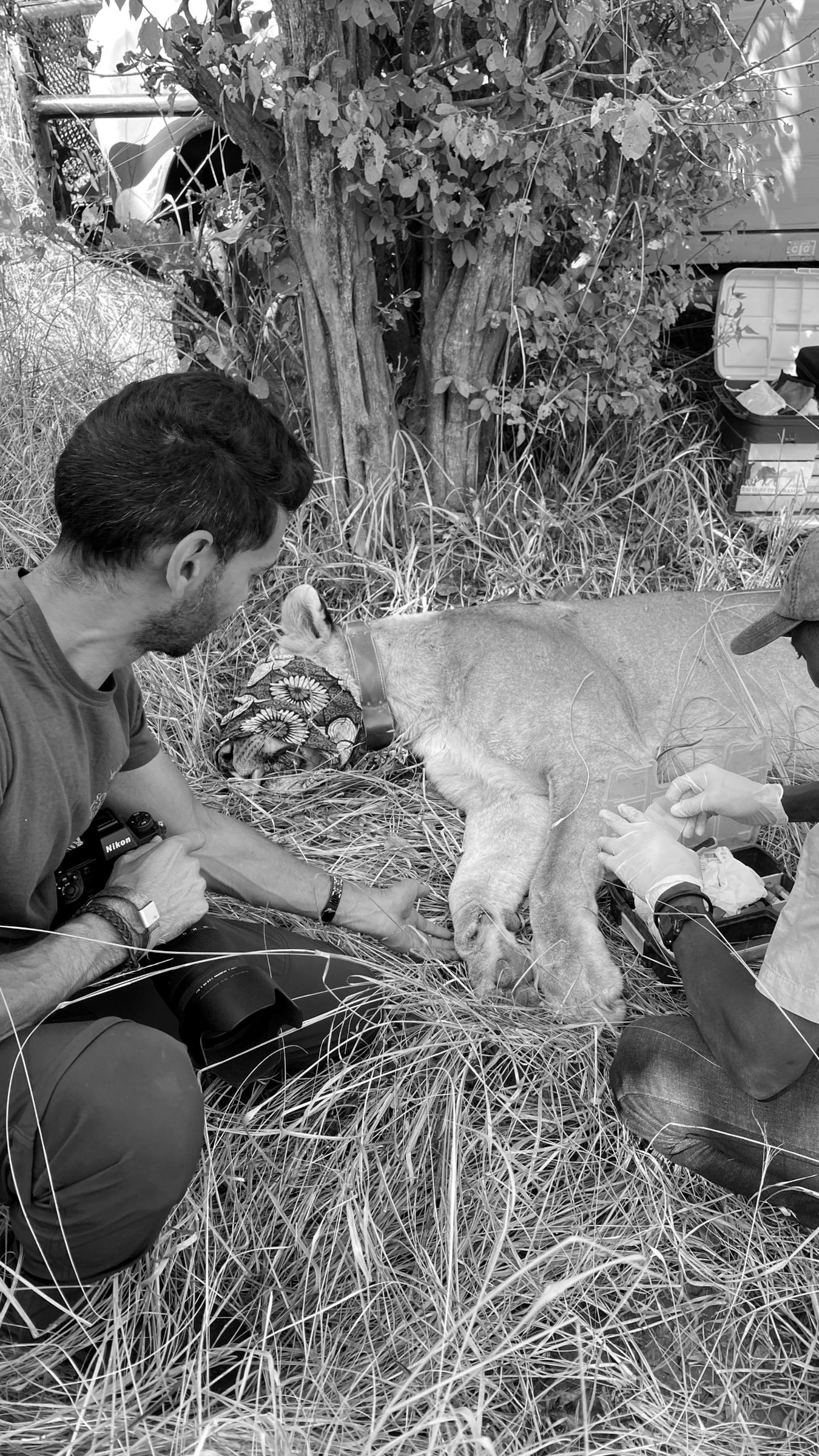
The life of a wildlife veterinarian: an interview with Mwamba Sichande
Earth.Org · 2024
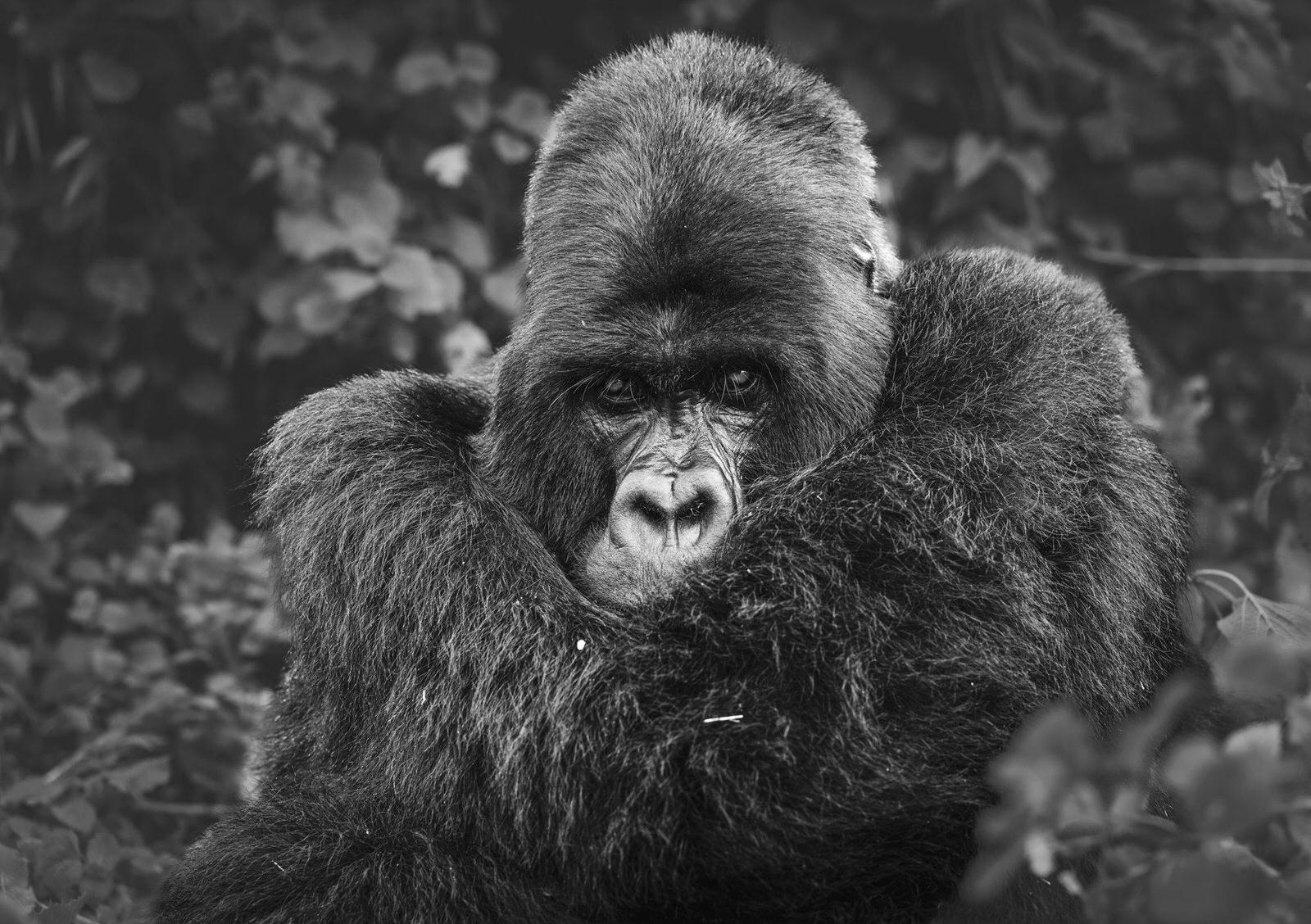
Documenting Rwanda's remaining mountain gorillas
Earth.Org, Nkwazi, PAW Trails · 2023
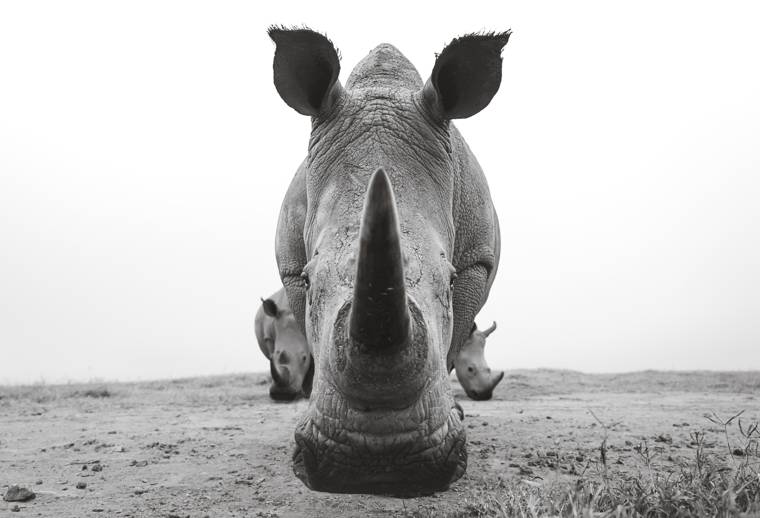
Close Encounters: the white rhinos of Solio
For conservation organisations
Working on a conservation project?
I'd like to hear about it.
The newsletter