Before you travel
Safari questions people ask
What is a photographer-led safari?
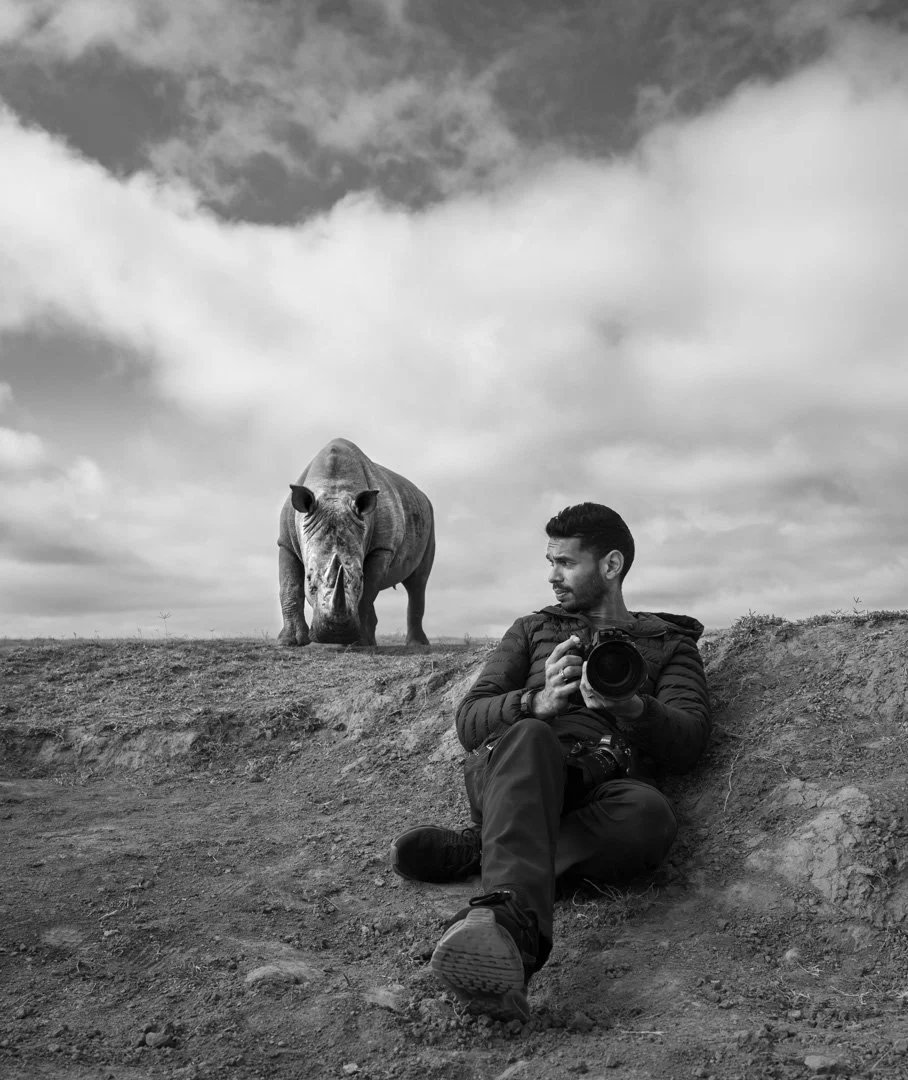
A private or small-group African safari hosted by Amish Chhagan, a published wildlife photographer. Days are planned around the light, animal behaviour and time at sightings, so you see Africa through a photographer's eyes, whether or not you carry a camera.
Are you a registered travel company?
Yes. Chags Photography safaris are run by Endangered Encounters Ltd, a company registered in England and Wales (no. 16706809). We are registered with IATA’s Travel Industry Designator Service (TIDS) under code 96255084. TIDS is the travel industry’s standard way of identifying travel sellers, used by airlines, hotels and other suppliers worldwide.
Do I need to be a photographer?
No. Guests range from serious photographers to people who have never held a camera, and Amish photographs the journey so you can simply watch. If photography is the point, ask about a photography-focused trip, which runs more like a course in the field.
How much does an African safari cost?
As a guide, a well-run safari staying inside the parks with professional guides costs from $800 per person per day. The country, season, camps, group size and permits such as gorilla trekking move that figure. Every safari is costed for you in a proposal before you commit.
Which country is best for a first safari?
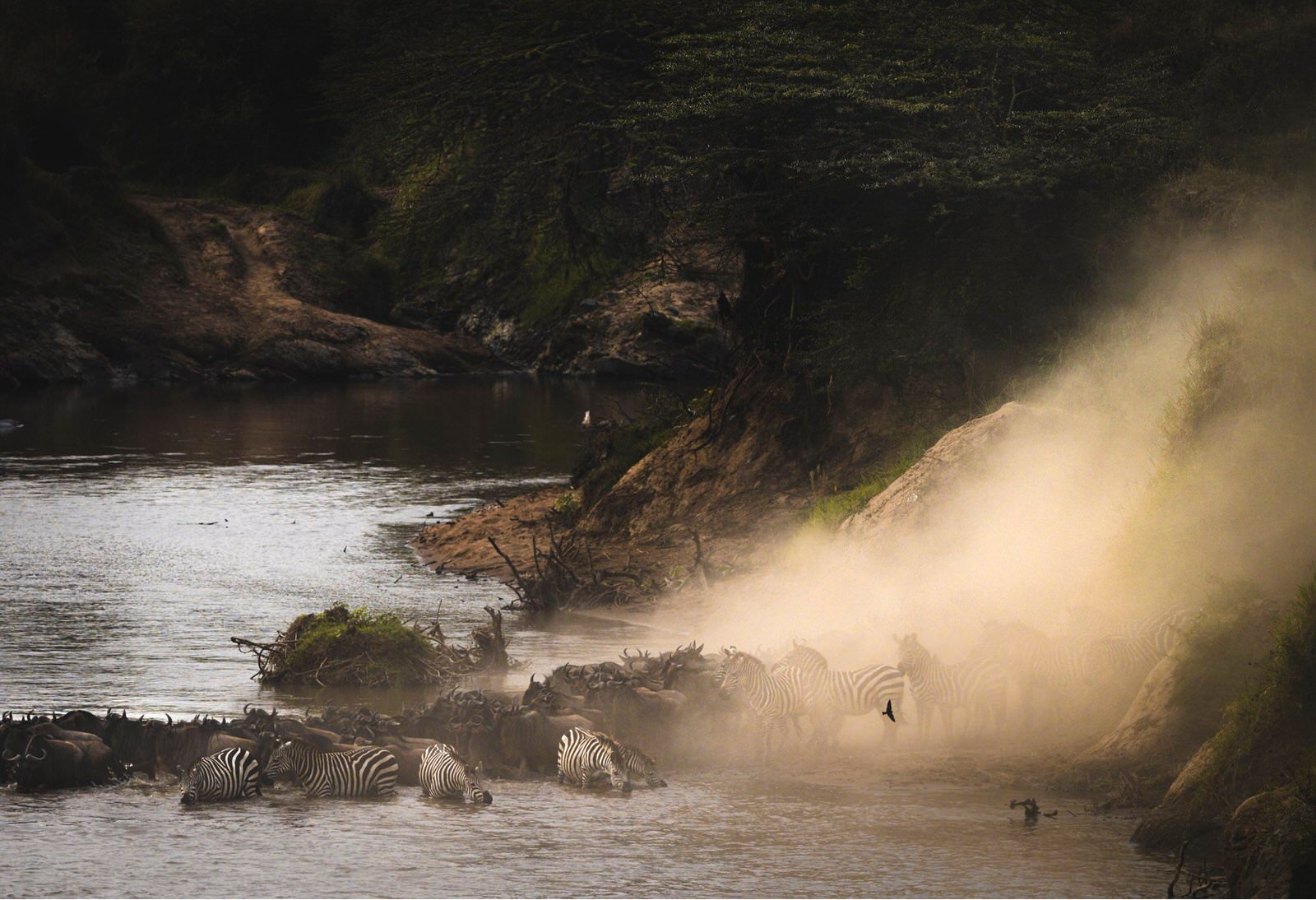
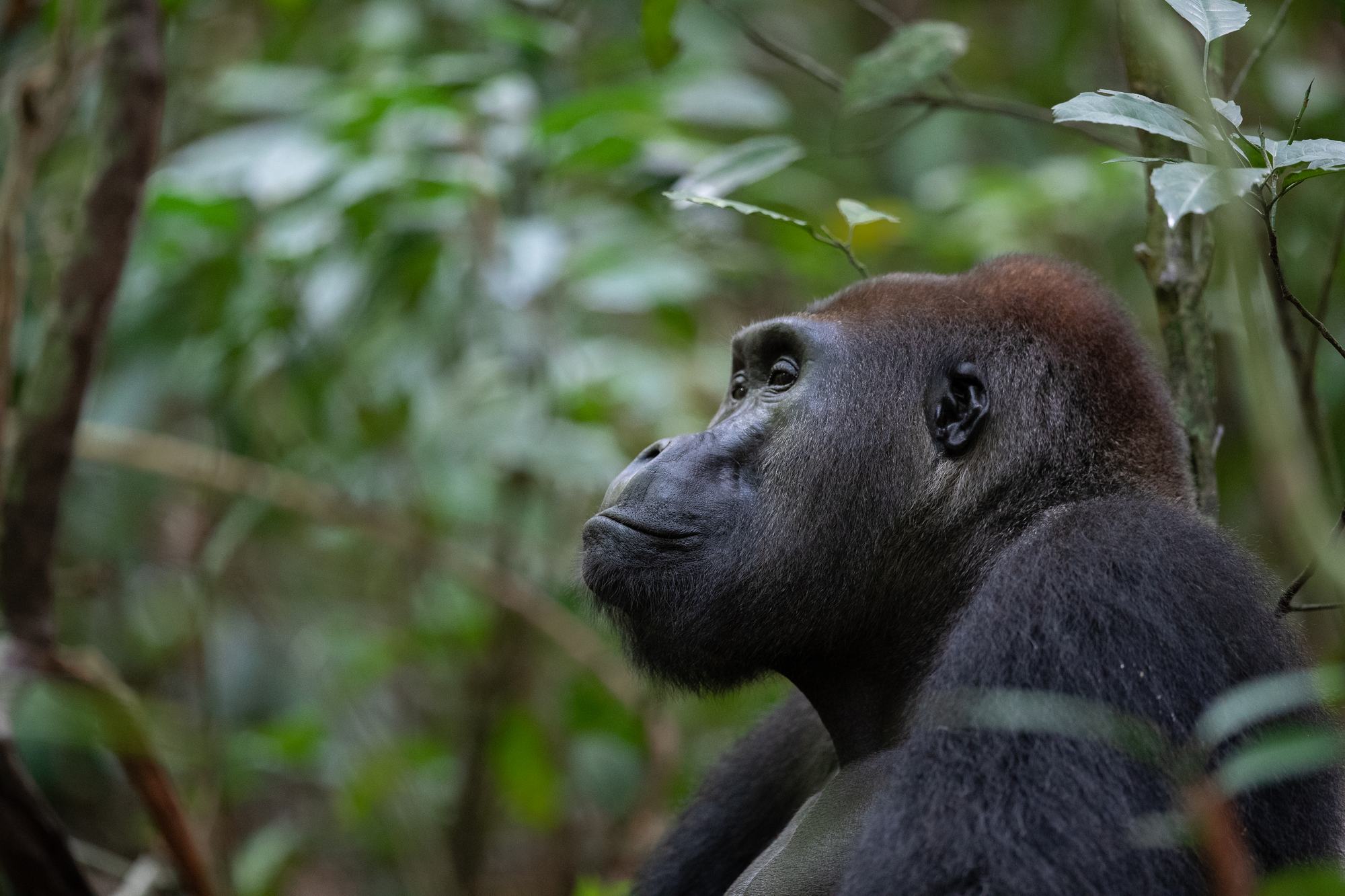
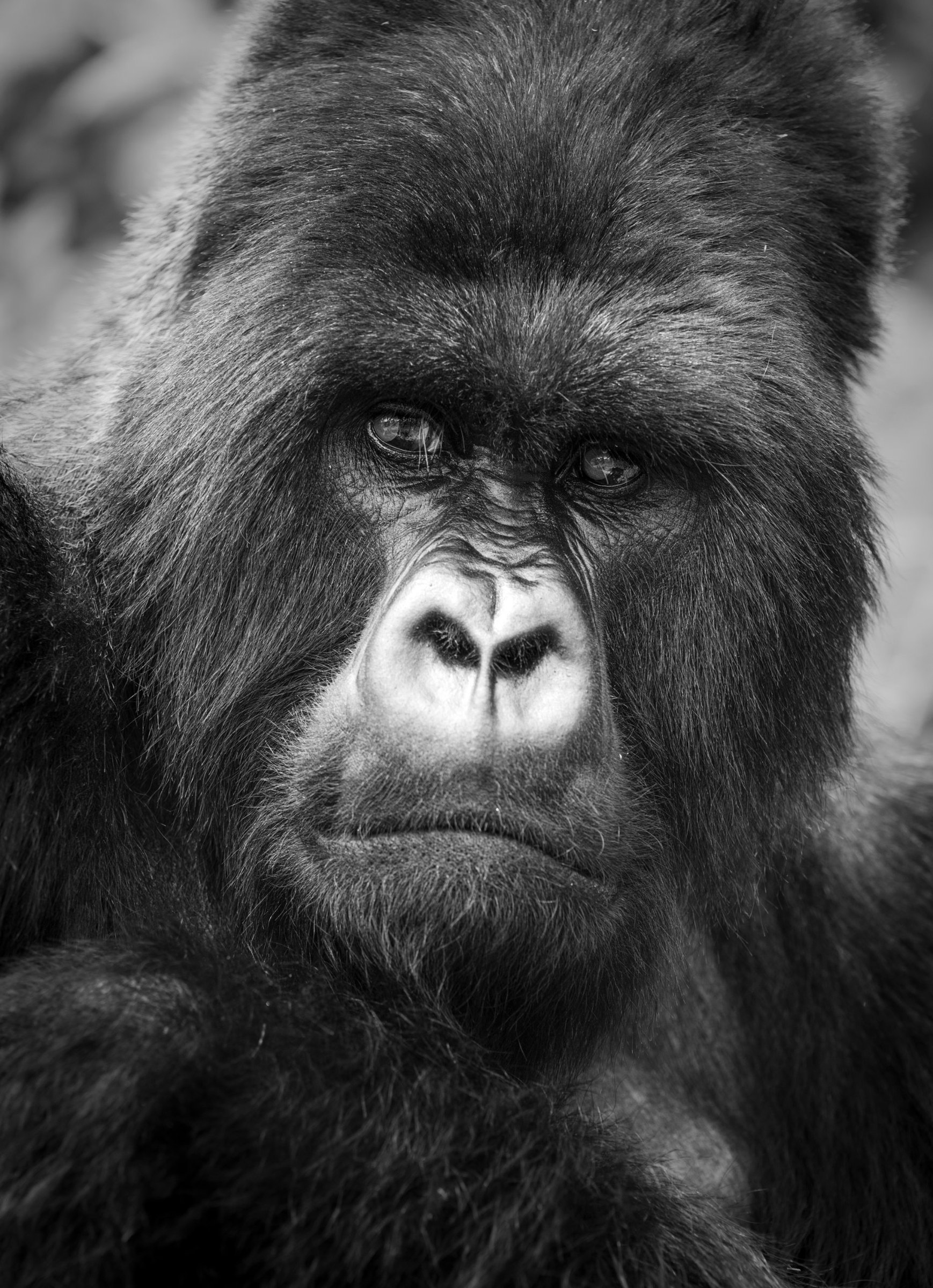
It depends on what you want to see. Kenya has big cats on the Masai Mara and elephants in Amboseli; Tanzania has the Serengeti, the Ngorongoro Crater and the Great Migration; Zambia has walking safaris in South Luangwa and canoeing on the Lower Zambezi. For great apes, choose Rwanda, Uganda, the Congo Basin or Borneo.
When is the best time to go on safari?
For most of East and Southern Africa, the dry months from June to October. July and August are the busiest and most expensive. Gorillas can be tracked all year, and the green season brings newborn animals, fewer visitors and dramatic skies.