Conservation · Primate Trails
Why I created Primate Trails
Great ape safaris, while we still can
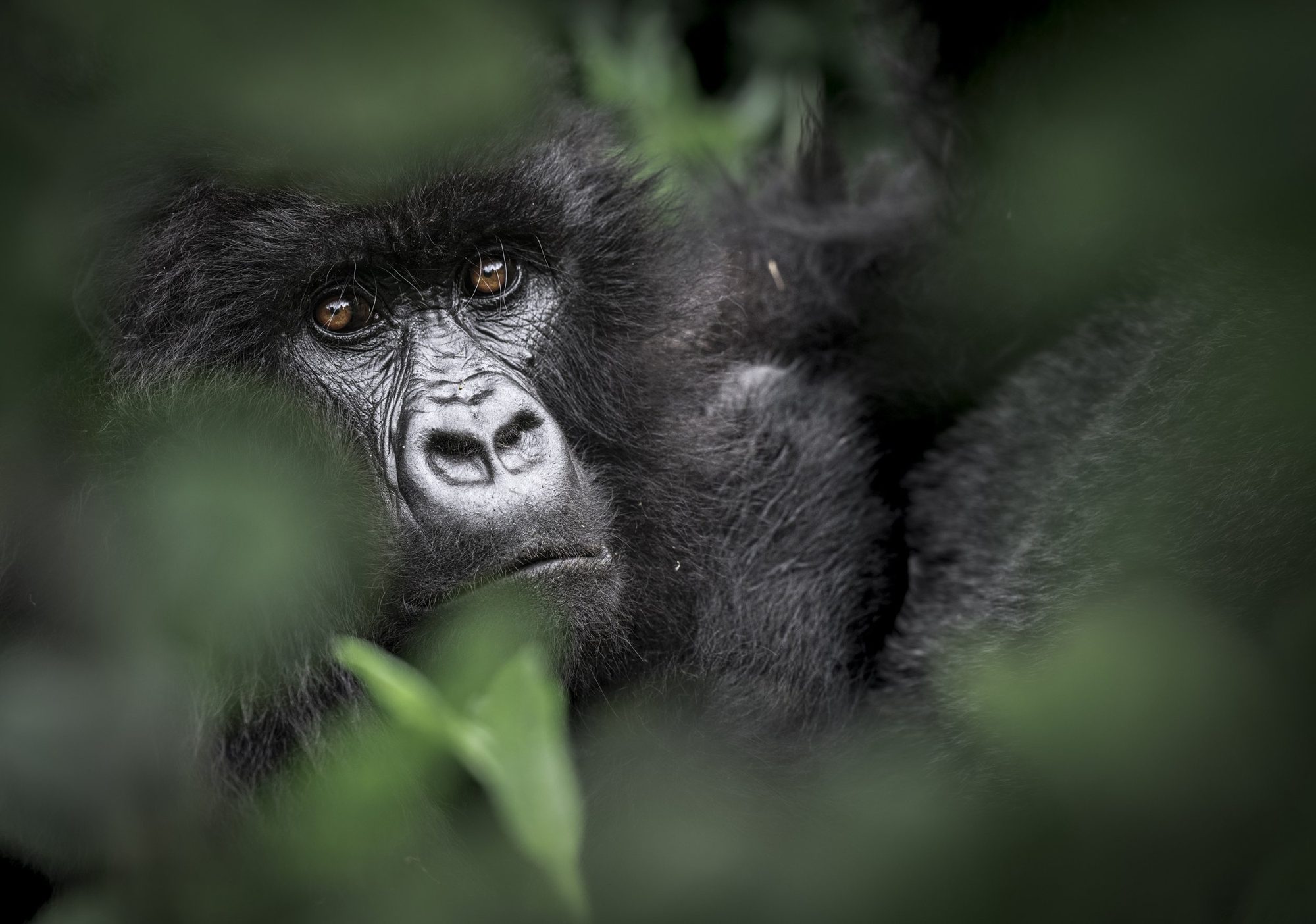
There is a thought I can't shake. In my lifetime, some of the great apes may no longer be with us in the wild.
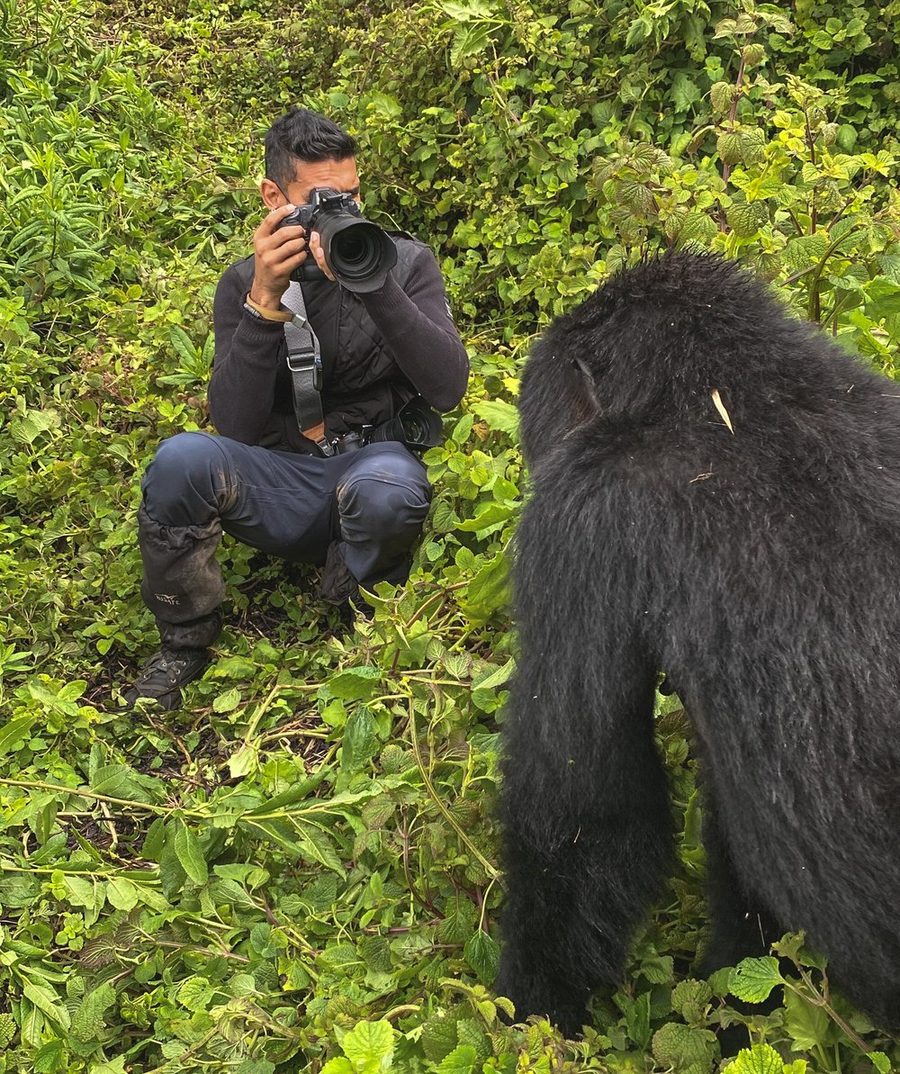
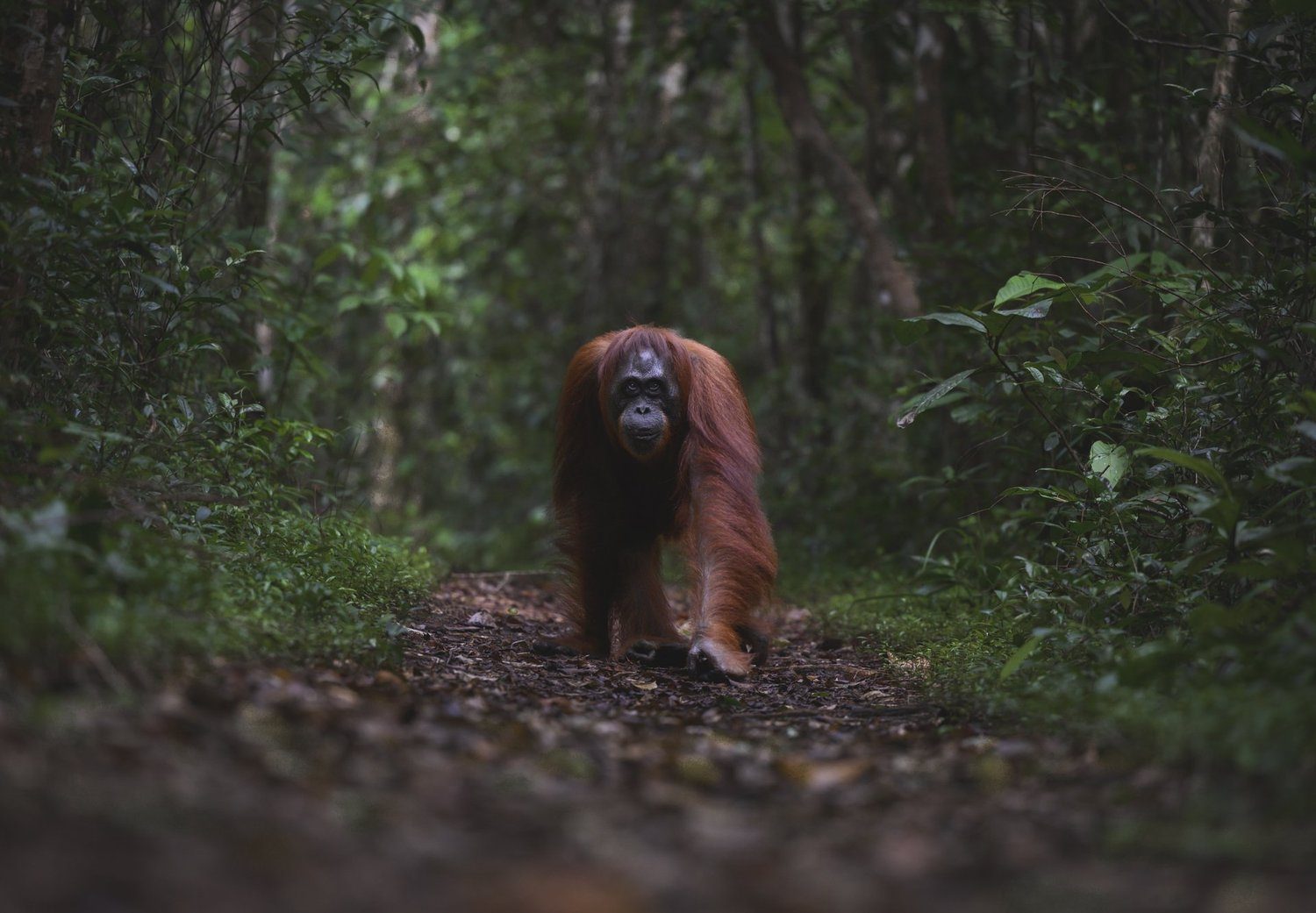
That scares me. It saddens me. If I'm honest, there is shame in it too, because we are the reason. I have sat a few metres from a mountain gorilla family and watched a mother groom her young, and I have watched an orangutan move through the canopy as if the forest were built for her alone. These are animals that look back at you. Losing them would be losing a part of ourselves.
Primate Trails is my answer to that feeling. It is a small series of private, photographer-led great ape safaris: western lowland gorillas in the Congo Basin, mountain gorillas and chimpanzees in Rwanda and Uganda, and wild orangutans in Borneo. I want people to see these animals for themselves, while they still can.
What's left of the wild
of all the mammals on Earth, by weight, are wild.
Sir David Attenborough put it in a single line: “We have replaced the wild with the tame.” By weight, humans now make up just over a third of all the mammals on Earth, and the animals we raise for food about 60%. Every wild mammal, from mice to whales, adds up to just 4% (Bar-On, Phillips and Milo, PNAS, 2018). The great apes are part of that 4%.
Gorillas, chimpanzees and orangutans
The great apes, in numbers
- Mountain gorilla
- 1,063
- at least, across the Virungas and Bwindi; around 240 were left in the Virungas in the 1980s
- Endangered
- Western lowland gorilla
- 360,000+
- across western equatorial Africa, falling by 2.7% a year
- Critically Endangered
- Chimpanzee
- 172,700 to 299,700
- already gone from four countries
- Endangered
- Bornean orangutan
- 104,700
- after an estimated 148,500 were lost between 1999 and 2015
- Critically Endangered
Mountain gorillas
In the 1980s, only around 240 were left in the Virunga Mountains. Dian Fossey spent nearly two decades living among them in Rwanda, studying them, fighting poachers and telling the world what was at stake. She was killed at her research camp in 1985, but the protection she started outlived her. The latest counts found at least 1,063 mountain gorillas across the Virungas and Bwindi, and in 2018 the IUCN moved them from Critically Endangered to Endangered (Mongabay, 2019). A new count of Bwindi's gorillas began in 2025, and its results are still awaited. It is one of conservation's great comebacks, and still a population that would fit in a small town.
Western lowland gorillas
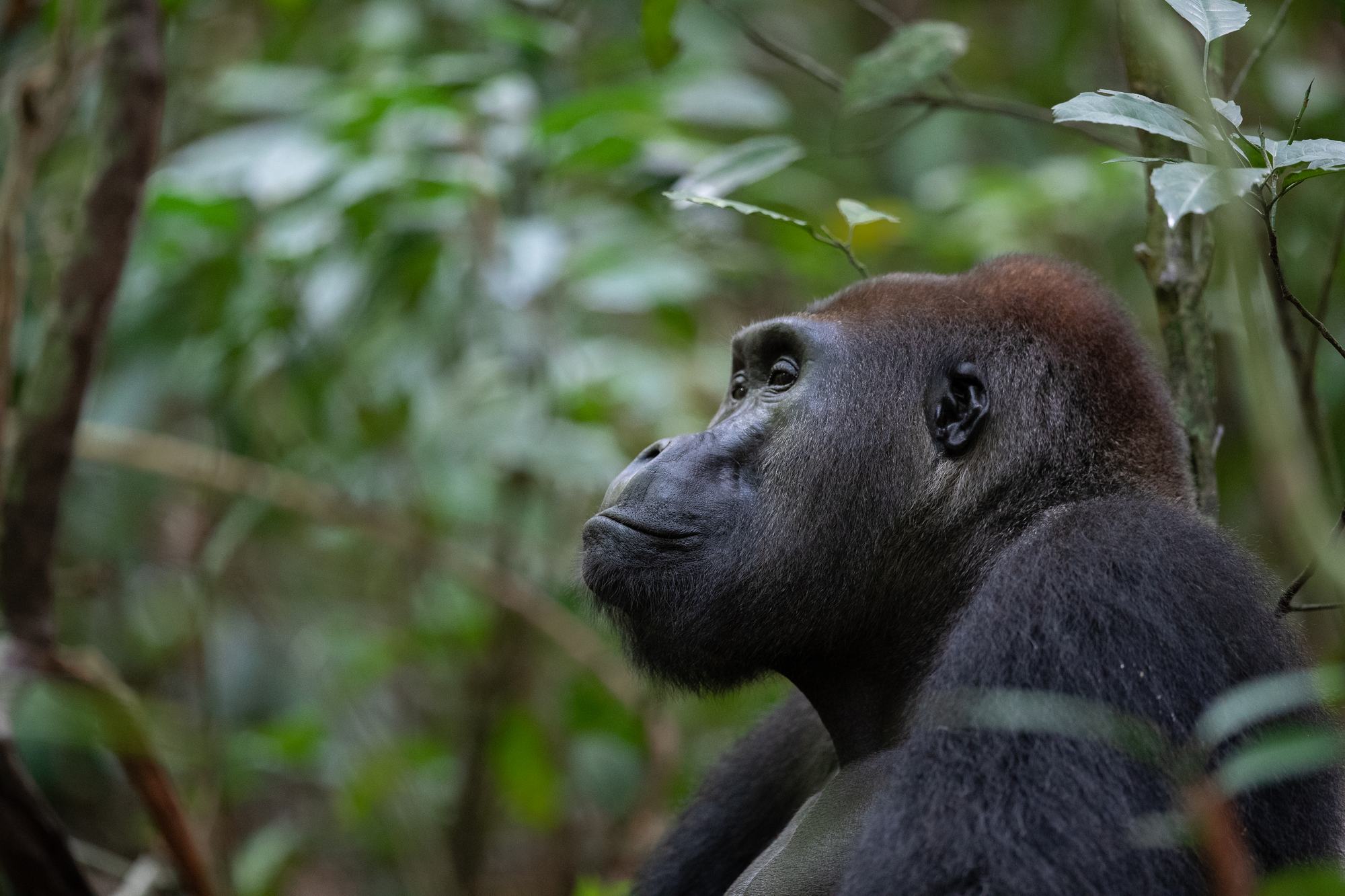
A major 2018 study estimated more than 360,000 gorillas across western equatorial Africa, more than expected. The same study found numbers falling by 2.7% a year, with around 80% of these apes living outside protected areas (WCS, 2018; Strindberg et al., Science Advances, 2018). Poaching, disease such as Ebola and the loss of forest are the main threats. They remain Critically Endangered.
Chimpanzees
Somewhere between 172,700 and 299,700 remain. Chimpanzees have already disappeared from four countries, and the bushmeat and pet trades, along with disease, keep pushing them back. They are listed as Endangered (WWF).
Bornean orangutans
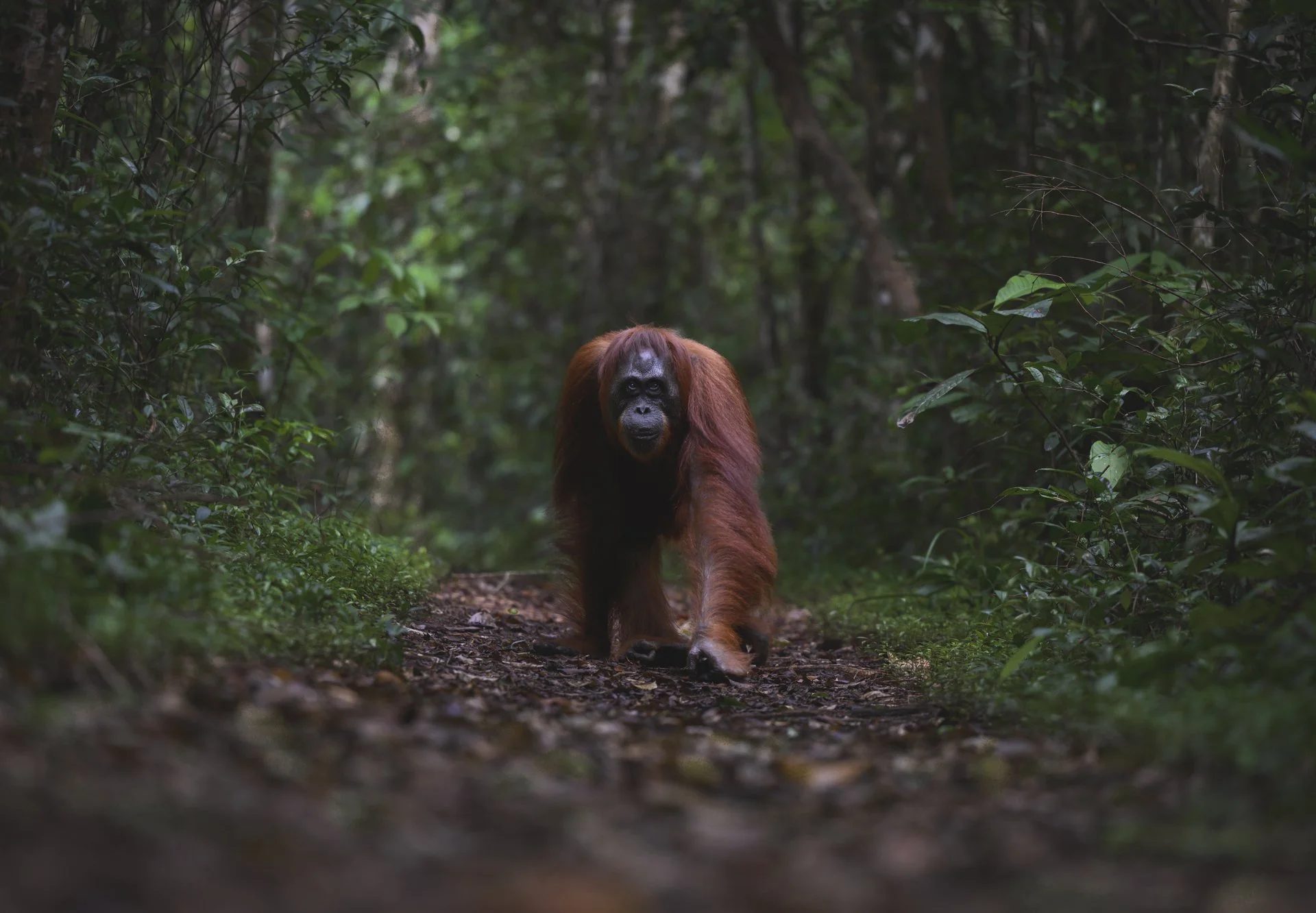
Between 1999 and 2015, Borneo lost an estimated 148,500 orangutans, mostly as forest was logged, cleared and turned into plantations. Around 104,700 were thought to remain, and at the current rate of forest loss at least 45,000 more could be gone by 2050 (Voigt et al., Current Biology, 2018, reported by Mongabay). They are Critically Endangered.
Borneo
Borneo's fires
In 2015, fires burned more than two million hectares of forest across Indonesia. Many were set to clear land; a strong El Niño and decades of draining Borneo's peat swamps did the rest (Scientific American, 2015). Peat that should be wet burned for weeks, and the smoke covered the region. For orangutans it meant lost forest, lost food and choking haze. The fires have returned in dry years since, and each season is a reminder of how quickly a forest can disappear.
Gorilla permits, parks and people
Where the hope is
There are bright spots, and they are why I'm doing this. The mountain gorilla's recovery shows what protection, rangers, vets and local communities can achieve together. Gorilla permits fund the parks that protect them, and a share of park revenue goes to the communities living around them, so a living gorilla is worth more to everyone than a dead one.
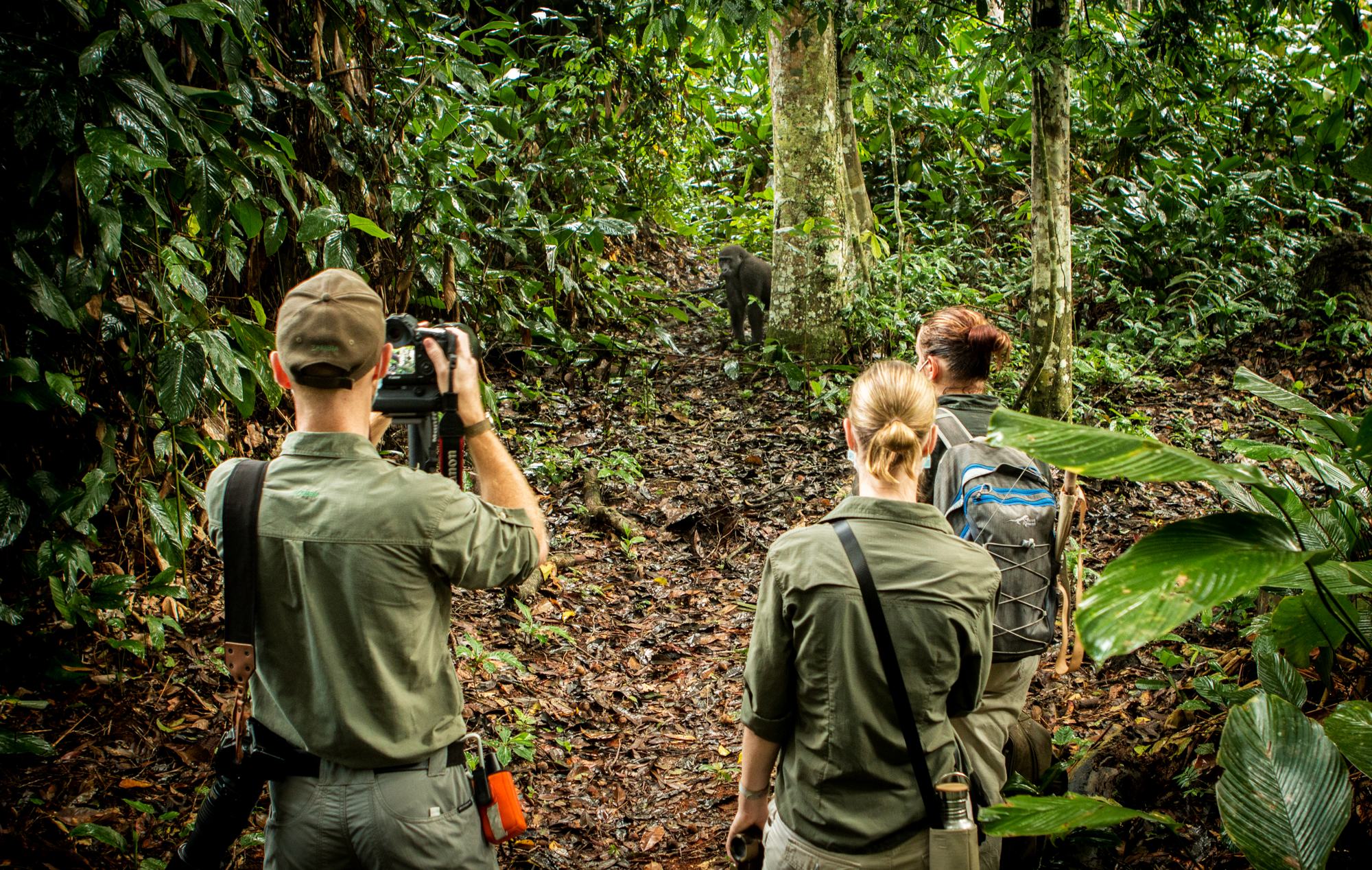
That is the idea behind every Primate Trails journey. We travel in small groups and tread lightly. The parks, the trackers, the guides and the camps are all part of keeping these forests standing. And when people see a gorilla or an orangutan with their own eyes, something changes. I have seen it happen. Some guests go home and give, some volunteer, some simply start paying attention. That is how action starts.
Primate Trails
Why I created it
I created Primate Trails because I want people to meet these animals before it is too late. I hope it never is.
Not as a last-chance tour, but as a reason to care: to sit quietly in the forest, look into those eyes, and leave understanding what we still have, and what we stand to lose.
The first departure is to the Congo Basin in October 2027, and I'll be leading it myself.
Next departure
Congo Basin gorilla safari
About the author
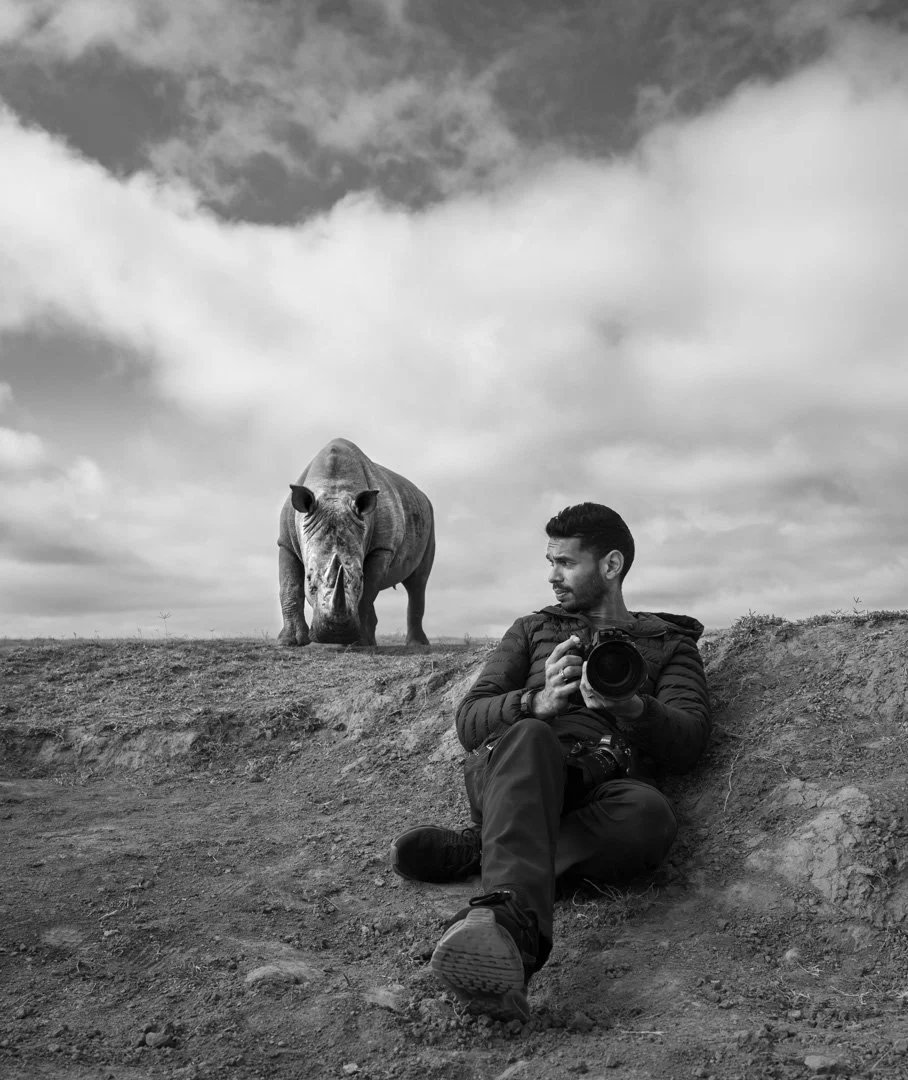
Amish Chhagan is a Zambia-raised wildlife and conservation photographer and safari host whose work has been published by National Geographic and WWF. Through Chags Photography he sells signed limited-edition fine art prints and hosts private, photographer-led safaris, including Primate Trails. Read my story
Sources
- Bar-On, Phillips and Milo, “The biomass distribution on Earth”, PNAS, 2018. Quote: David Attenborough, A Life on Our Planet (book, 2020).
- Mountain gorillas: Mongabay, December 2019. New Bwindi count: Daily Monitor (census launched May 2025, awaiting DNA analysis).
- Western lowland gorillas: WCS, 2018; Strindberg et al., Science Advances, 2018.
- Chimpanzees: WWF.
- Bornean orangutans: Voigt et al., Current Biology, 2018; Mongabay, February 2018.
- 2015 fires: Scientific American, 2015.